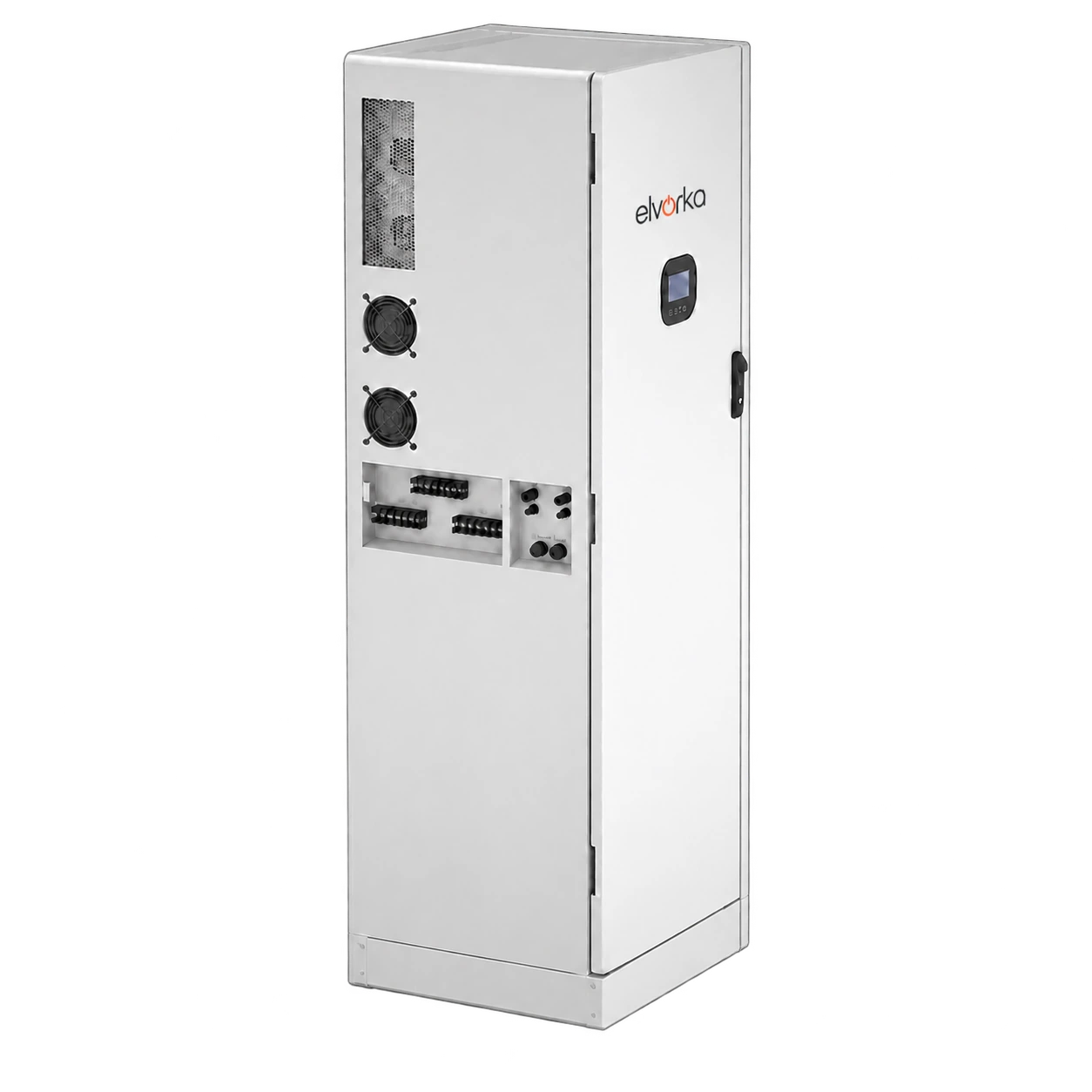
TA6000

Integrated system

TA6000.

Battery and inverter in one cabinet, with PV input connectivity and three specified storage configurations. AC output options depend on the selected configuration.

INVERTER
Included
ENCLOSURE
Not specified
NOMINAL ENERGY
10.24–20.48 kWh
AC CONFIGURATION
120 V US / 230 V EU AC options
Start your project ↗

Specifications

Model / configurationEnergy (kWh)AC options (kW)
TA6000-M210.246–10
TA6000-M315.366–12
TA6000-M420.486–12

Specify the correct market AC voltage and 50 / 60 Hz option. PV input: 11 kW for M2; 11–13.2 kW for M3/M4. No three-phase or split-phase capability is claimed.

ModelDimensions (mm)Approx. kg
TA6000-M2590 × 570 × 1880 / W × D × H244
TA6000-M3590 × 570 × 1880 / W × D × H286
TA6000-M4590 × 570 × 1880 / W × D × H328

Communication: RS485 / RS232 / CAN / Wi-Fi; Bluetooth optional
Temperature: Operating −20 to 60 °C

Plan for your part of Vietnam.

Northern seasonal conditions, central rain exposure and a warm southern equipment space call for different site questions. Choose from the actual conditions around the battery, not a country-wide climate assumption.

Temperature:
Operating −20 to 60 °C
ENCLOSURE
Not specified
01

Northern home · seasonal conditions

The north has a more distinct seasonal temperature pattern than the south.

For a dry indoor equipment alcove, compare the EU all-in-one with a battery-only format that matches the existing inverter. TR Pro's listed charging range starts at 0 °C; optional self-heating is not permission to charge below the confirmed limit.

What are the lowest and highest temperatures at the equipment location?
  • Can damp or condensation occur when seasons change?
  • Is an inverter already installed, and which battery voltage does it support?
02

Central home · rain-aware placement

Central Vietnam's rainfall timing differs from northern and southern regions.

Use a sheltered equipment area selected for the actual site. TR Pro and HP Ultra list IP66, but the reviewed literature does not establish flood or salt-spray suitability. Check the exact model's installation instructions and protection requirements.

Can wind-driven rain reach the wall or floor?
  • Is the property coastal, and is salt-air exposure relevant?
  • Which installation area stays dry and accessible for service?
03

Southern townhouse · warm equipment space

Southern Vietnam has a narrower seasonal temperature range than the north.

Allow for ventilation and service access in a dedicated equipment space. An EU integrated unit is IP21; do not treat it as an exposed outdoor product. A listed upper temperature limit does not promise full-power output in a hot enclosed cabinet.

Does the alcove collect heat or direct afternoon sun?
  • What temperature is observed while the room and equipment are in use?
  • Can the required ventilation and clearances be maintained?

Specifications
  • Choose architecture first: the EU and TA6000 all-in-one families include an inverter; TR, HP and TB battery-only families need a compatible external inverter.
  • Keep family limits separate. TR Pro lists charge 0 to 55 °C and discharge −20 to 60 °C. HP Ultra temperature limits require confirmation for the selected configuration; do not copy TR Pro's range onto it.
  • Match the enclosure to the actual placement. IP21, IP20, optional IP54 and IP66 are different source ratings; none supplies a salt-spray, condensation or flood guarantee in the reviewed literature.

PRODUCT DETAIL / ORIGINAL LITERATURE

Every side. Every connection.

The supplied brochure provides two labelled connection/breaker insets and internal cabinet/cell illustrations on printed pages 15-16. Crops avoid visible product logos without AI editing, repainting, or invented structure. Embedded views not visibly matched to the printed product page were excluded. These views do not establish pinouts, cable sizes, commissioning steps or installation compatibility.

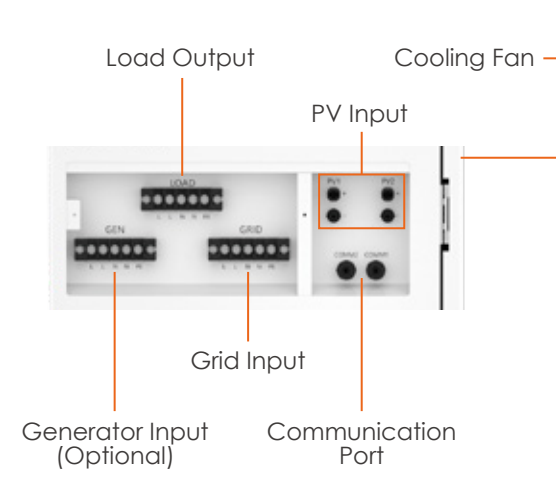
Original terminal labels
Original terminal labelsConnection panel labelled for load, grid, optional generator, PV and communication.
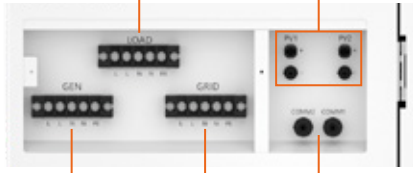
Terminal panel close-up
Terminal panel close-upClose-up of the cabinet terminal panel.
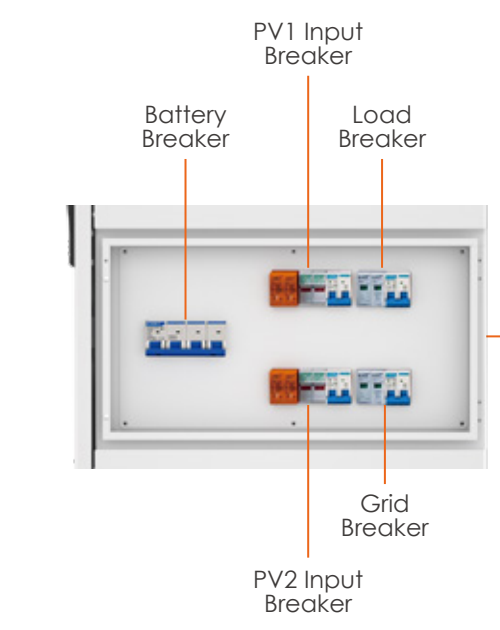
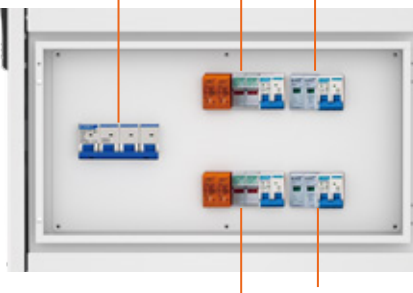
Original breaker labels
Original breaker labelsBattery, PV1, PV2, load and grid breakers in the illustrated compartment.
Breaker compartment close-up
Breaker compartment close-upCircuit breakers within the cabinet's breaker compartment.
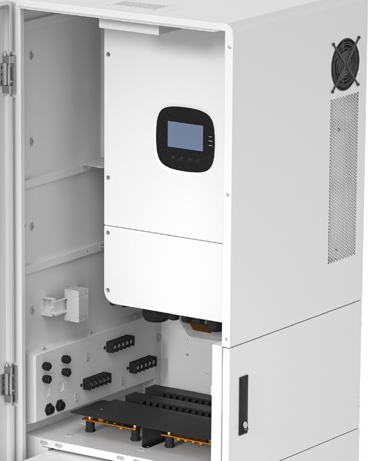
Upper cabinet and service bay
Upper cabinet and service bayUpper cabinet compartment with the inverter and connection area.
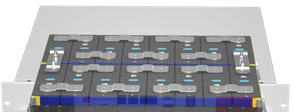
Cell assembly detail
Cell assembly detailBattery cell tops in a partial internal illustration.

Know your interfaces.

Power connections

Load Output
Output position identified as Load Output in the brochure.
Grid Input
Connection position identified as Grid Input.
Generator Input (optional)
The generator input is explicitly marked optional in the original callout.
PV Input
PV connection area identified by the original callout.
PV1 Input Breaker
Breaker identified for PV1 Input.
PV2 Input Breaker
Breaker identified for PV2 Input.

Communication

Communication Port
Connection area labelled Communication Port. No protocol pin assignments are specified in this component view.

Controls & indicators

Battery Breaker
Breaker labelled for the battery section.
Load Breaker
Breaker identified for the load connection.
Grid Breaker
Breaker identified for the grid connection.

Source: Residential ESS brochure · PDF page 8 · printed pages 15-16